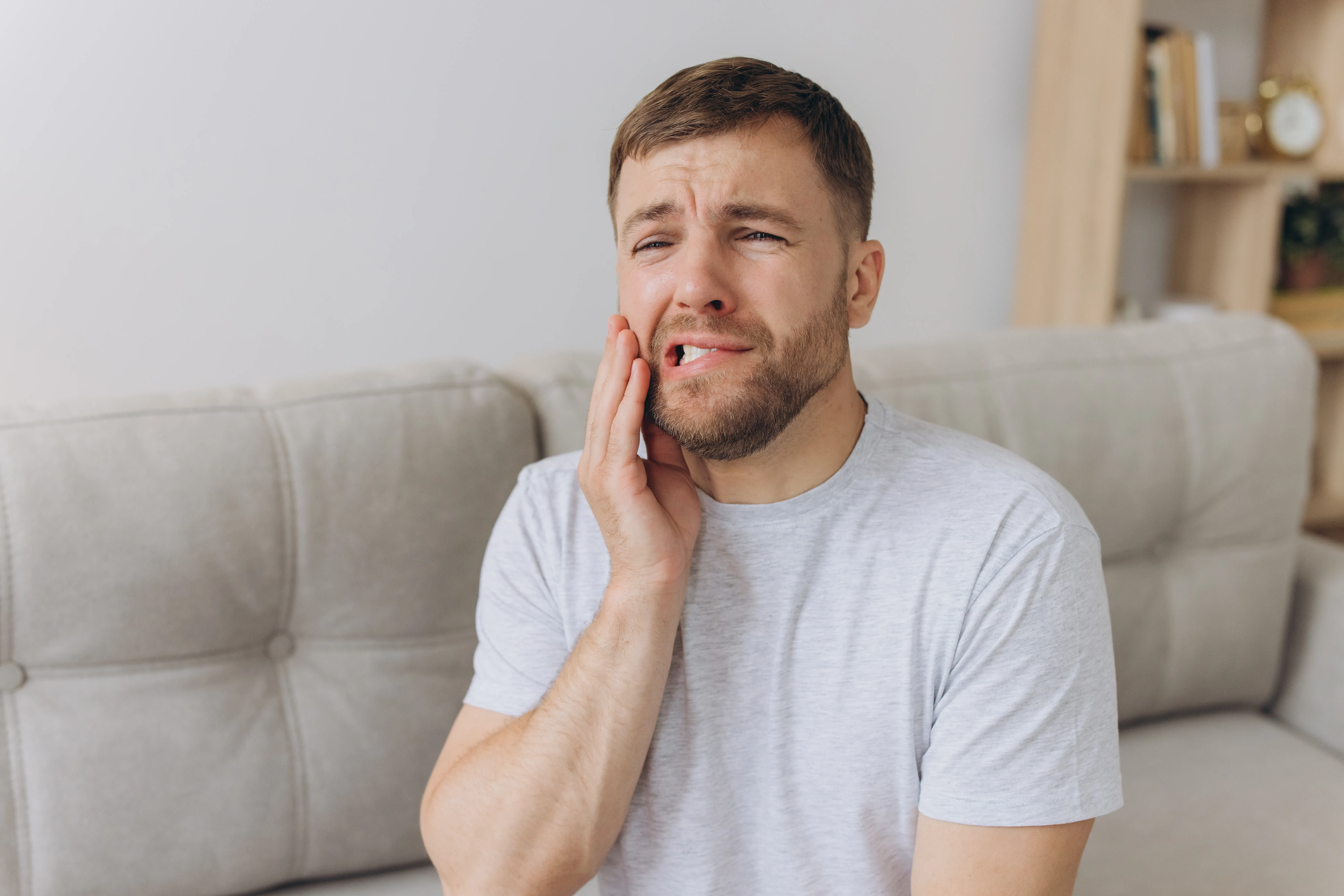
The affected tooth may become sensitive to temperature and cause discomfort when chewing, leading you to avoid using that side of your mouth. When you bite down or release pressure, the fractured portion of the tooth can flex, which is often perceived as pain or a toothache.
The most common treatment for a cracked or broken tooth is a dental crown. A crown helps hold the tooth together and reduces the risk of the crack worsening. If left untreated and chewing continues on the affected tooth, the fracture may extend deeper into the tooth and reach the nerve. When this occurs, root canal treatment may be necessary. In more severe cases, the tooth may not be salvageable.
Identifying the cause of cracks and fractures is an important part of treatment and prevention. Diets that include hard or crunchy foods are often a contributing factor. These foods should be avoided, especially if you have large fillings, as fillings can weaken the tooth structure and make it more susceptible to fractures.
Clenching and grinding habits can also contribute to cracked teeth. In these cases, a custom night guard is strongly recommended to help protect your teeth and reduce strain on the jaw.
Other Types of Fractures
Cuspal Fracture:
This occurs when a cusp of the tooth breaks off. Depending on the severity, the pulp may also be affected, which could require root canal treatment. Large fillings are a common cause, as they can weaken the tooth and increase the risk of fracture. In most cases, a crown is needed to restore the tooth.
Split Tooth:
A split tooth occurs when a crack progresses to the point where the tooth separates into two distinct segments. This is one of the most severe types of fractures, and in many cases, the tooth cannot be saved and must be extracted.
How to Prevent Cracked or Broken Teeth
While cracked teeth cannot always be prevented, there are steps you can take to reduce your risk:
- Avoid clenching or grinding your teeth—consider a professionally made night guard
- Do not chew on hard objects such as popcorn kernels, pens, or ice
- Wear a mouth guard when participating in contact sports
If you would like to learn more or discuss your symptoms, contact us to schedule an appointment with Dr. Shee.